Anion Gap Calculator for Complex Acid Base Disorders
What the anion gap Shows
The anion gap is a handy way to gauge the balance between observed cations and observed anions in blood chemistry. In standard use, it helps clinicians identify the presence of hidden anions and better understand a patient’s acid-base state. The calculation is constructed from common lab values on an electrolyte test panel, especially blood sodium, blood chloride, and bicarbonate.
At a simple level, the concept represents electroneutrality: the body’s different charges should remain balanced. Because not all ions are directly measured, the anion gap serves as an indirect marker of hidden acids or other charged particles. That is why it has become such an valuable assessment tool in acid-base balance and clinical assessment.
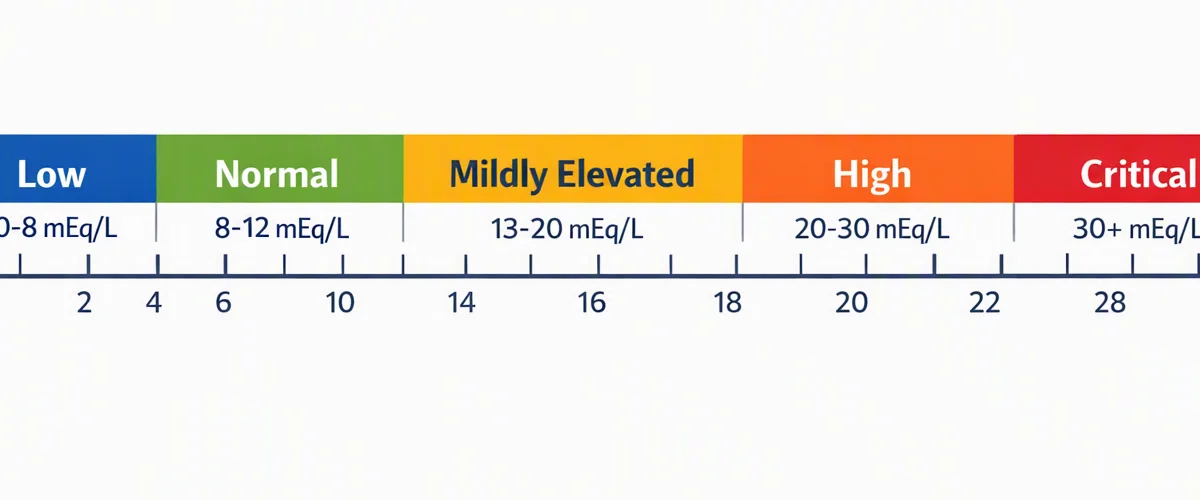
The usual calculation formula is:
Anion gap = Serum sodium - (Serum chloride + Serum bicarbonate)
Some clinicians use alternative equations depending on local practice, but the main purpose is the same: to estimate whether there are additional acids in the blood that are not reflected in the standard electrolyte levels. This matters particularly when evaluating metabolic acidosis, where the pattern can point toward elevated anion gap metabolic acidosis or normal anion gap metabolic acidosis.
Understanding the meaning of the anion gap is not just about memorizing a number. It is about connecting the result to the patient’s overall presentation, the likely underlying mechanism, and the broader diagnostic strategy. In practice, the anion gap interpretation becomes one piece of a larger acid-base interpretation.
How to Use an Anion Gap Calculator
An anion gap calculator makes easier the calculation formula, but it still requires precise input and thoughtful interpretation. To use it properly, enter the patient’s serum sodium, serum chloride, and serum bicarbonate from the very same blood draw whenever possible. Small changes in timing or specimen handling can affect the result and alter the impression of acid-base disorders.
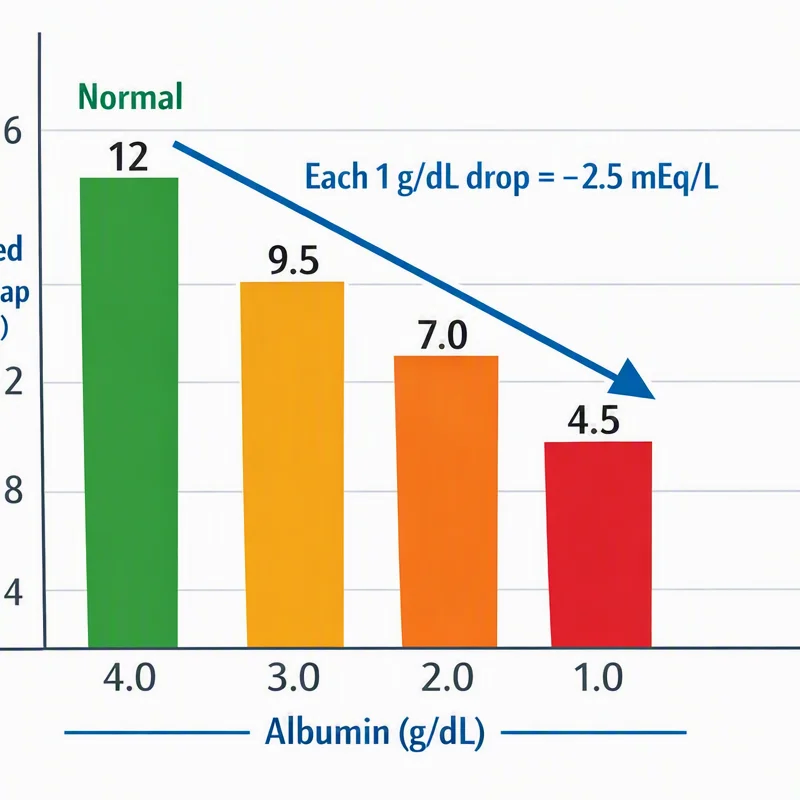
Many calculators also ask for albumin because low protein levels can make the measured gap appear incorrectly normal. This is where albumin correction becomes important. An albumin-corrected anion gap helps reveal hidden high-gap states that might otherwise be missed, especially in patients with chronic illness or poor nutritional status.
When using the calculator, keep the expected reference range in mind. The normal range differs depending on the laboratory method and whether potassium is included in the equation. A result should never be viewed in isolation. The number must be interpreted in the context of the patient’s symptoms, acid-base pattern, and other chemistry findings.
For the most useful interpretation, think of the calculator as a bridge between data and diagnosis. It can identify whether the patient may have an elevated gap, but it does not explain why. That step requires integration with pH, carbon dioxide levels, clinical findings, and the likely source of acid gain or bicarbonate loss.
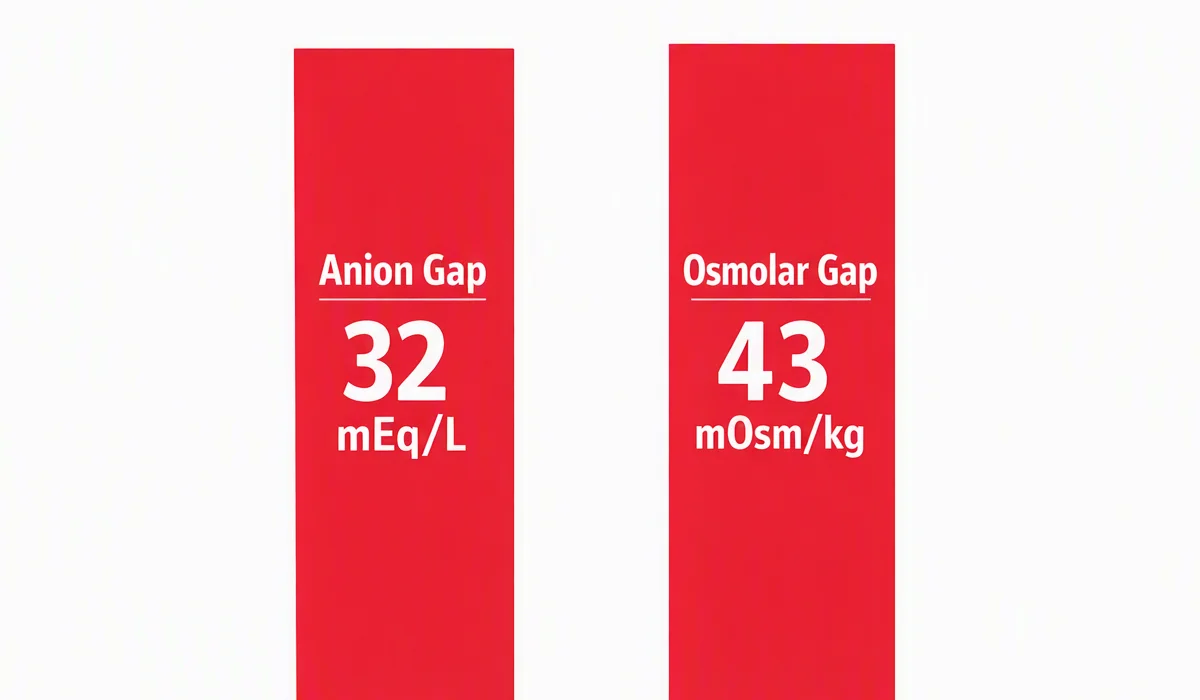
In practical terms, the best use of an anion gap calculator is to support early recognition of hidden acid disorders, guide next steps in testing, and sharpen the differential diagnosis. It is especially valuable when a patient’s serum electrolytes do not neatly fit a single pattern.
Step-by-Step Assessment of the Anion Gap
Reading the anion gap commences with identifying whether the patient has metabolic acidosis. If the bicarbonate is low and the pH is acidemic, the next step is to determine whether the case is a high anion gap process or a normal anion gap process. This separation limits the differential diagnosis and directs the rest of the workup.
The first step is to calculate the gap from the measured blood electrolytes. The second step is to compare that result with the laboratory’s expected range. If the gap is elevated, the body likely contains additional acids represented by missing anions. If the gap is normal, bicarbonate loss or chloride gain is more likely than accumulation of unmeasured acids.
In increased anion gap metabolic acidosis, the extra acid consumes bicarbonate while leaving behind ions that are not routinely measured. Common examples include lactic acidosis, ketone-related acidosis, renal failure, and toxins. In contrast, normal-gap metabolic acidosis often reflects bicarbonate loss through the gastrointestinal tract or kidneys, with loose stools being a classic cause.
The third step is to assess whether the numbers fit the clinical picture. A patient with severe illness, low bicarbonate, and a modestly elevated gap may still have an important acid burden. A patient with a normal gap does not automatically have a benign process. The key is clinical judgment, not just numeric confirmation.
The fourth step is to look for patterns that suggest more than one disorder at once. That is where the anion gap becomes especially powerful. A single patient may have both a high-gap acidosis and a normal-gap acidosis, or an acidosis plus a respiratory disorder. These combinations are common in real-world acid-base analysis.
Recognizing Mixed Acid-Base Disorders
A mixed acid-base disorder arises when several primary process alters the pH at the same moment. This is an important concept because the anion gap can reveal hidden complexity that a single pH value might miss. The patient may have a metabolic disorder plus compensatory respiratory change, or two primary disorders working in opposite directions.
Another useful method is the delta gap. This evaluates the rise in anion gap above normal to the fall in bicarbonate below normal. If the rise in the gap is larger than the fall in bicarbonate, a concurrent metabolic alkalosis may exist. If bicarbonate falls more than expected for the rise in the gap, there may be an additional normal-gap acidosis.
The delta-delta ratio takes that analysis further. It helps determine whether the change in the anion gap and the change in bicarbonate move in a balanced way. A low ratio can suggest a combined high-gap and normal-gap metabolic acidosis, while a high ratio can suggest a mixed disorder involving metabolic alkalosis. This type of analysis is especially helpful when the patient has multiple potential causes of acid-base disturbance.
Respiratory status must also be evaluated. Respiratory compensation should follow a predictable pattern when a metabolic disorder is primary. If the carbon dioxide level is not appropriate for the degree of acidosis, then a concurrent alkalotic respiratory disorder or high-carbon dioxide acidosis may be present. That means the pH, bicarbonate, and carbon dioxide must all be interpreted together.
For example, a patient with diabetic ketoacidosis may also have vomiting, creating a metabolic alkalosis that partially masks the severity of the acidosis. Another patient with renal insufficiency may have a high-gap acidosis along with chronic respiratory compensation. Recognizing these overlapping patterns is the difference between basic calculation and advanced clinical reasoning.
Frequent Causes of Elevated and Normal Anion Gap
Diagnostic considerations differs depending on whether the anion gap is elevated or normal. In high anion gap metabolic acidosis, the leading causes include lactic acidosis, ketoacidosis, renal failure, and toxins. These disorders raise the concentration of organic acids or other unmeasured acids in the bloodstream.
Lactic acidosis usually indicates tissue hypoperfusion, severe infection, hypoxia, or impaired lactate clearance. Ketoacidosis can occur with diabetes, prolonged fasting, or alcohol-related metabolic states. Renal failure leads to accumulation of acids that the kidneys can no longer excrete efficiently. Toxins may produce a high gap by producing or introducing acids that disrupt normal metabolism.
In normal anion gap metabolic acidosis, the issue is often bicarbonate loss or chloride retention. Diarrhea is a classic cause because bicarbonate-rich intestinal fluid is lost from the body. Other contributors include renal tubular defects or other states where acid is retained without a net increase in unmeasured anions.
It is useful to think in terms of a pattern-based approach. High-gap states usually imply hidden acid accumulation. Normal-gap states more often imply a replacement of bicarbonate by chloride. That distinction helps guide clinical interpretation and focuses attention on the most likely source of the disorder.
Sometimes a patient has both. For example, severe diarrhea plus lactic acidosis can create a mixed acid-base disorder with features of both normal-gap and high-gap acidosis. That is why the anion gap should always be interpreted as part of a broader diagnostic approach.
Correcting for Albumin and Why It’s Important
Albumin is a major unmeasured anion, so it has a clear effect on the measured gap. When hypoalbuminemia is present, the apparent anion gap may be below normal than expected even if significant acid accumulation exists. This can lead to failure to detect of a high-gap disorder unless an albumin-corrected anion gap is calculated.
The purpose of albumin correction is to refine the result so it better reflects the actual acid burden. In practical terms, a low serum albumin can hide elevated unmeasured anions. Correcting for albumin helps restore the usefulness of the gap as a marker of acid-base disturbance.
This matters in patients with chronic illness, inflammation, malnutrition, liver disease, or fluid shifts, where albumin may be low. Without correction, the raw number may look reassuring even when the patient has clinically important metabolic acidosis. The corrected values often reveal a more accurate picture of acid-base status.
It is also important to consider measurement error. Albumin assays, electrolyte measurements, and specimen handling issues can all alter the final result. A corrected calculation is useful, but it should still be viewed alongside the broader clinical context.
In summary, albumin correction improves anion gap interpretation by accounting for a major source of variation. It does not replace clinical judgment, but it often prevents missed diagnoses and helps distinguish true normal-gap states from masked high-gap states.
Common Pitfalls and How to Avoid Them
A common error in lab interpretation is treating the anion gap as a standalone diagnosis. It is only one part of acid-base analysis. A result that seems normal can be misleading if albumin is low, if there is electrolyte imbalance, or if another disorder is modifying the expected pattern.
Another problem is overlooking mixed disorders. A patient may appear to have a straightforward metabolic acidosis, but the actual picture may include respiratory compensation, respiratory alkalosis, or respiratory acidosis. Failing to check the carbon dioxide response can lead to incomplete or incorrect interpretation.
Depending too much on a single cut-off can also cause errors. The reference range varies by lab, method, and whether potassium is included. This is why the result should always be read in relation to the institution’s standard and the patient’s clinical correlation. A borderline value may still be important if the overall presentation suggests a more serious disorder.
A further mistake is ignoring the broader physiology. A patient with sepsis, shock, or organ failure may have multiple drivers of acidosis. In that setting, the gap helps identify the presence of unmeasured anions, but it does not identify the whole cause. The full picture requires history, examination, imaging when appropriate, and repeated laboratory assessment.
To avoid mistakes, use the anion gap as a structured framework:
- Confirm the patient has an acid-base problem.
- Determine the gap from serum sodium, serum chloride, and serum bicarbonate.
- Check whether albumin is low and apply an albumin-corrected anion gap.
- Distinguish high anion gap metabolic acidosis versus normal anion gap metabolic acidosis.
- Assess a mixed acid-base disorder using the delta gap and delta-delta ratio.
- Verify respiratory compensation and compare with the expected pattern.
- Integrate the numbers with the patient’s symptoms, history, and likely cause.
This stepwise process improves clinical interpretation and reduces the chance of missing important disease. The best anion gap calculator workflow is not just numeric; it is a structured process to diagnosis.
FAQs About the Anion Gap Calculator
What is an anion gap calculator used for?
An anion gap calculator is employed to estimate the anion gap from serum sodium, serum chloride, and serum bicarbonate. It helps clinicians detect high anion gap metabolic acidosis, review normal anion gap metabolic acidosis, https://anion-gap-tool900.scriblorax.com/posts/anion-gap-calculator-for-er-medicine-reference and guide broader acid-base analysis in patients with suspected acid-base disorders.
How do you calculate the anion gap in mixed acid-base disorders?
Use the standard calculation formula: serum sodium minus the sum of serum chloride and serum bicarbonate. Then interpret the result in context. In a mixed acid-base disorder, the delta gap and delta-delta ratio can assist determine whether more than one metabolic process is present, while respiratory compensation helps reveal any concurrent respiratory disorder.
Why should the anion gap be corrected for albumin?
Albumin is a major unmeasured anion, so low levels can make the gap appear falsely normal. An albumin-corrected anion gap improves accuracy in patients with hypoalbuminemia and can uncover hidden acid accumulation that might otherwise be missed. This correction improves anion gap interpretation and reduces diagnostic error.
What does a high anion gap mean clinically?
A high anion gap usually means there are excess unmeasured anions in the blood, often from lactic acidosis, ketoacidosis, renal failure, or toxins. Clinically, it suggests a form of metabolic acidosis that needs prompt evaluation. The finding is important, but it should always be interpreted with the full clinical picture and the patient’s overall acid-base status.
How do you determine if a patient has a mixed acid-base disorder?
Search for results that fail to match a single consistent pattern. Review the pH, bicarbonate, and carbon dioxide with the expected pattern of respiratory compensation. Next use the delta gap and delta-delta ratio to check whether the changes in anion gap and bicarbonate fit a single process. If they do not, a mixed acid-base disorder is likely and further diagnostic approach is needed.