Understanding the Anion Gap in Alcoholic Ketoacidosis?
What Is Alcoholic Ketoacidosis?
Alcoholic ketoacidosis is a form of ketoacidosis that typically develops after heavy alcohol use combined with reduced food intake, vomiting, and dehydration. It is a metabolic emergency because it can produce a significant metabolic acidosis with a high anion gap, meaning there is an excess of unmeasured acids in the blood.
The condition often appears after a period of binge drinking followed by poor oral intake. During that time, the body’s carbohydrate stores fall, stress hormones surge, and ketone production rises. As ethanol metabolism affects liver chemistry and energy use, the body turns toward using fat as fuel. This causes accumulation of ketone bodies, especially beta-hydroxybutyrate and acetoacetate, which drive an acidotic state.
Vomiting, reduced intake, and ongoing alcohol use can also result in dehydration and volume depletion. Those factors aggravate the acid-base imbalance by reducing kidney perfusion and limiting the body’s ability to clear acids. The result is often a mixed metabolic derangement that needs careful diagnostic evaluation using lab values rather than symptoms alone.
Although the term may sound similar to diabetic emergencies, alcoholic ketoacidosis has its own pattern. It commonly involves low or normal glucose, marked ketosis, and a high anion gap. In practice, the condition is recognized through serum chemistry, an electrolyte panel, and a blood gas that together show the severity of the acid-base disturbance.
Why Does the Anion Gap Increased in Alcoholic Ketoacidosis?
The anion gap rises because alcoholic ketoacidosis increases the concentration of uncounted acids in the blood. The classic formula calculates measured cations and anions in routine chemistry: sodium minus chloride and bicarbonate. When acids accumulate, especially organic acids, the bicarbonate level drops as it buffers the acid load. That drop contributes to metabolic acidosis and a widened gap.
In alcoholic ketoacidosis, the main drivers are ketone bodies and often lactate. Beta-hydroxybutyrate and acetoacetate are organic acids. As they build up, they produce hydrogen ions, which consume bicarbonate. The body responds with compensatory respiration, often causing deep or accelerated breathing as it tries to reduce carbon dioxide and partially correct the acid-base balance.
Several mechanisms can https://anion-gap-widget069.yousher.com/what-is-the-equation-for-anion-gap drive the gap higher:
- Enhanced ketone production from low carbohydrate availability
- Elevated lactate from poor tissue perfusion and altered metabolism
- Reduced renal clearance of acids during dehydration
- Ongoing volume depletion that concentrates the metabolic derangement
It is important to remember that the anion gap is not just a number; it is a sign to the underlying cause. In this setting, it reflects an increase in unmeasured acids, not a direct measurement of ketones. That is why the anion gap helps identify high anion gap metabolic acidosis but does not by itself prove alcoholic ketoacidosis.
Serum albumin also matters. Because serum albumin is a major unmeasured anion, low albumin can make the gap look less increased than it truly is. In clinical interpretation, an albumin-corrected gap can improve accuracy. This is especially useful when the presentation is complex or when multiple causes of acidosis may be present at once.
How to Read an Anion Gap Calculator Result
An Anion Gap Calculator is a handy tool for rapid anion gap calculation using key chemistry values. Most calculators use serum sodium, serum chloride, and serum bicarbonate. Some versions also allow modification for serum albumin, which refines clinical interpretation when albumin is low.
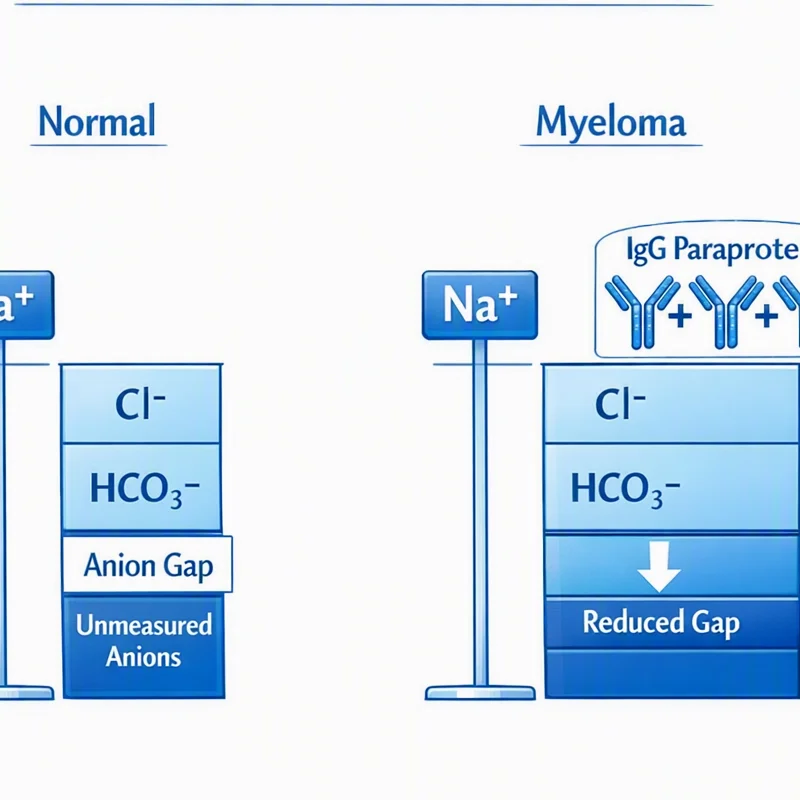
The general idea is straightforward: if sodium is measured and chloride plus bicarbonate are comparatively high compared with it, the gap is smaller. If chloride and bicarbonate are not enough to account for sodium, the gap increases. In alcoholic ketoacidosis, the gap is usually elevated because bicarbonate is consumed by acids from ketone bodies and lactate.
When reading calculator results, look at three points:
- Is the gap elevated enough to suggest high anion gap physiology?
- Do the accompanying lab values support metabolic acidosis?
- Does the overall pattern fit an alcohol-related acidotic state or another differential diagnosis?
The Anion Gap Calculator is particularly valuable when paired with other lab values. A high result should prompt review of the full electrolyte panel, kidney function, glucose, and acid-base status. If bicarbonate is low and the blood gas confirms acidemia, the finding supports a true metabolic acidosis rather than a laboratory artifact.
For practical use, a calculator can also help with severity assessment. A larger gap generally suggests a bigger burden of unmeasured acids, though the number alone does not reveal the exact cause. In alcoholic ketoacidosis, the result should be interpreted alongside symptoms such as vomiting, poor intake, tremor, tachypnea, and dehydration.
What Lab Results Frequently Accompanying Alcoholic Ketoacidosis?
Alcoholic ketoacidosis infrequently presents as an single lab issue. It often is accompanied with a recognizable cluster of changes in electrolytes, acid-base markers, and metabolic values. The key findings include elevated beta-hydroxybutyrate, variable glucose, low bicarbonate, and a blood gas demonstrating acidemia or partial compensation.
Beta-hydroxybutyrate is often the dominant ketone body in this state, at times more prominent than acetoacetate. Since standard urine ketone tests may fail to detect beta-hydroxybutyrate, a patient can have substantial ketosis even when bedside ketone testing seems modest. That is a major reason serum measurement is so helpful in a thorough diagnostic evaluation.
Glucose is often normal or low, though it can vary. This differs from many cases of diabetic emergencies, where hyperglycemia is more typical. A low or normal glucose with a high anion gap and ketosis should raise suspicion for alcoholic ketoacidosis, especially in the setting of vomiting and poor oral intake.
Common laboratory features include:
- Low serum bicarbonate
- High beta-hydroxybutyrate
- Altered electrolytes, especially potassium, magnesium, and phosphate
- Variable glucose, frequently normal or low
- Blood gas findings of metabolic acidosis
- Elevated anion gap
The blood gas helps determine whether the patient is acidemic and whether respiratory compensation is appropriate. At the same time, a chemistry panel shows the acid-base balance at the metabolic level. When these are reviewed together, the full picture often reveals a clear metabolic derangement driven by ketosis, poor intake, and alcohol-related physiology.
It is also typical to see mixed abnormalities from vomiting and dehydration. A patient may have low chloride from vomiting and a high gap from organic acids. This mixture can complicate interpretation, which is why a broad serum chemistry review is essential.
How Is Alcoholic Ketoacidosis Different Than Diabetic Ketoacidosis?
Alcoholic ketoacidosis and diabetic ketoacidosis share several features: both cause ketosis, both can produce a high anion gap metabolic acidosis, and both involve accumulation of acid from ketone bodies. That said, the underlying physiology differs in important ways.
In diabetic ketoacidosis, the main problem is lack of insulin. Without enough insulin, the body cannot use glucose effectively, so fat breakdown accelerates and ketones rise. This often leads to marked hyperglycemia. In alcoholic ketoacidosis, by contrast, glucose is frequently normal or low, and the trigger is usually poor intake, vomiting, and recent heavy ethanol use rather than classic insulin deficiency.
However, some overlap exists. Stress hormones, dehydration, and starvation-like physiology can all drive ketone production. The key difference is that alcoholic ketoacidosis tends to occur after a period of alcohol intake followed by reduced nutrition, while diabetic ketoacidosis is primarily tied to inadequate insulin action.
Typical distinctions include:
- Diabetic ketoacidosis: usually marked hyperglycemia, clear insulin deficiency, and ketosis
- Alcoholic ketoacidosis: often normal or low glucose, poor oral intake, vomiting, and recent ethanol exposure
- Both: elevated anion gap, low bicarbonate, and ketone-related metabolic acidosis
Because the treatments differ, distinguishing the two matters. Giving insulin to a patient with alcoholic ketoacidosis and normal glucose may worsen hypoglycemia. Conversely, missing diabetic ketoacidosis delays needed insulin and fluid therapy. Careful review of glucose, ketones, acid-base status, and the clinical history is essential.
When May Be a High Anion Gap Serious?
A elevated anion gap can become dangerous when it suggests a severe or fast-declining acid-base disturbance. The number itself is a indicator, but the real concern is the root cause. In alcoholic ketoacidosis, a high gap can worsen quickly if dehydration, vomiting, or continued alcohol use goes on. If the cause is something more serious, such as toxic alcohols, uremia, sepsis, or shock, urgent intervention is essential.
Toxic alcohols such as methanol or ethylene glycol can create marked high anion gap metabolic acidosis and require prompt recognition. Uremia from kidney failure can also raise the gap by allowing acids to build up. In sepsis and shock, poor tissue perfusion increases lactate, leading to lactic acidosis and progressive acid-base imbalance.
Warning signs that a high gap may be dangerous include altered mental status, severe tachypnea, hemodynamic instability, persistent vomiting, refractory electrolyte abnormalities, and very low bicarbonate. A blood gas and full serum chemistry profile are useful for determining how severe the metabolic acidosis is and whether the patient is compensating adequately.
When evaluating a patient, do not assume alcoholic ketoacidosis is the only explanation. A high anion gap should trigger a comprehensive differential diagnosis. The goal is to identify the underlying cause while assessing for severity and complications.
Frequent Causes of High Anion Gap Metabolic Acidosis
High anion gap metabolic acidosis has numerous causes, and alcoholic ketoacidosis is only one of them. A classic mnemonic is MUDPILES, which is commonly used to arrange the differential. While mnemonics are inexact, they remain helpful for remembering common causes.
Important causes include:
- MUDPILES items such as poisonings, elevated lactate, and ketone production
- Renal failure, which leads to accumulation of acids and reduced elimination
- Salicylates, which can cause a mixed acid base disturbance
- Starvation ketosis, which occurs with extended inadequate intake
- Toxic alcohols, including methanol and ethylene glycol
- Lactate-related acidosis from sepsis or shock
Starvation ketosis can resemble alcoholic ketoacidosis because both involve low intake and ketone formation. The difference is that alcoholic ketoacidosis usually follows heavy ethanol use and often produces a more pronounced metabolic disturbance. Still, the clinical overlap is real, and the clinical picture is essential.
Renal failure and salicylates can complicate the picture by introducing additional acids or mixed respiratory effects. This is why a careful review of the electrolyte panel, blood gas, kidney function, and medication history is part of every good acid-base workup. The anion gap should direct the clinician toward the next diagnostic step, not replace it.
FAQs About the Anion Gap in Alcoholic Ketoacidosis
What is a normal anion gap in alcoholic ketoacidosis?
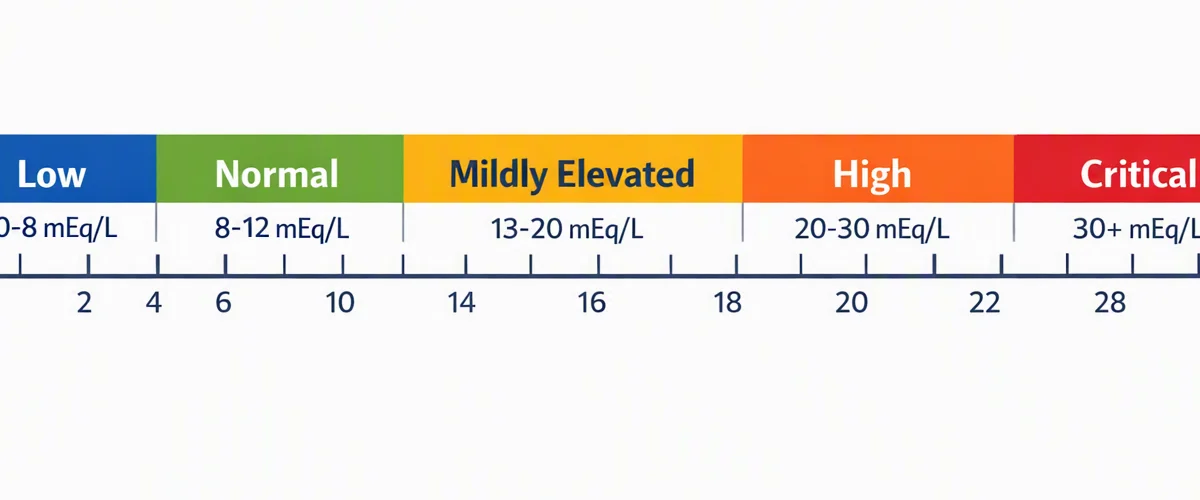
In alcoholic ketoacidosis, the anion gap is often increased rather than normal because ketone bodies and sometimes lactate collect and cause metabolic acidosis. A truly normal gap would be uncommon and should prompt review of the diagnosis, review of serum albumin, and evaluation for mixed disorders or other causes of acidosis. The exact reference range can change by laboratory and by whether albumin correction is used.
Why does alcoholic ketoacidosis cause a high anion gap?
It causes a high anion gap because the body accumulates undetected organic acids, especially ketone bodies such as beta-hydroxybutyrate and acetoacetate, along with possible lactate. These acids deplete bicarbonate, lowering serum bicarbonate and creating high anion gap metabolic acidosis. Dehydration, vomiting, and poor oral intake often worsen the process.
Does alcoholic ketoacidosis happen with normal glucose?
Yes. Glucose in alcoholic ketoacidosis is often normal or low, unlike the typical picture of diabetic ketoacidosis. That is why normal glucose does not rule out serious ketosis or metabolic acidosis. If the history includes ethanol use, vomiting, and poor oral intake, a normal glucose level can still fit alcoholic ketoacidosis.
How does an Anion Gap Calculator help identify metabolic acidosis?
An Anion Gap Calculator helps by converting routine serum chemistry values into a fast estimate of the gap using serum sodium, serum chloride, and serum bicarbonate. A high result supports anion gap calculation findings consistent with metabolic acidosis. It is most useful when paired with a blood gas, electrolytes, glucose, and clinical context for accurate clinical interpretation.
What other conditions can cause a high anion gap besides alcoholic ketoacidosis?
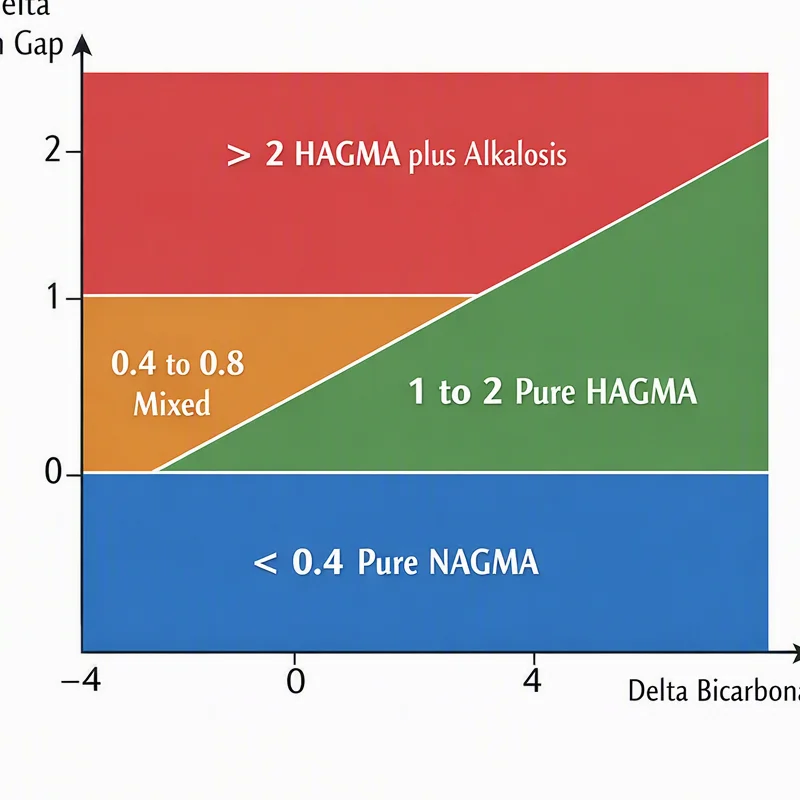
Other causes include toxic spirits, renal failure, salicylates, sepsis, shock, lactic acidosis, and fasting ketosis. These conditions can also produce a elevated anion gap by adding unmeasured acids or impairing acid clearance. Due to this extensive diagnostic differential, an elevated gap should prompt a careful search for the root cause.