Understanding the Delta Delta Ratio in an Anion Gap Calculator?
How the delta delta ratio works
The delta-delta ratio is a useful way to assess changes in the anion gap with changes in serum bicarbonate during metabolic acidosis. In practical terms, it helps clinicians ask whether the acid-base picture fits a single problem or whether there is a second acid-base disorder hiding in the lab values.
Applying the ratio can sharpen acid-base interpretation because not every elevated anion gap means the same thing. A rising anion gap usually suggests an build-up of unmeasured acids, but the degree of bicarbonate fall may not match the expected pattern. That mismatch can be a important diagnostic clue for a mixed acid-base disorder.
The idea behind the ratio is clear: if an acid is added to the body, it should expand the gap and lower bicarbonate in a predictable relationship. When the relationship varies, the pattern may point to an overlap disorder such as concurrent metabolic alkalosis or a non-anion gap metabolic acidosis. This makes the delta delta ratio useful for clinical assessment and for understanding overall acid-base balance.
In practice, the delta delta ratio is most helpful when a patient has a high anion gap metabolic acidosis. It helps determine whether the bicarbonate level is falling as expected or whether another process is changing the chloride concentration or buffering response. The result is better recognition of the true metabolic disorder behind the numbers.
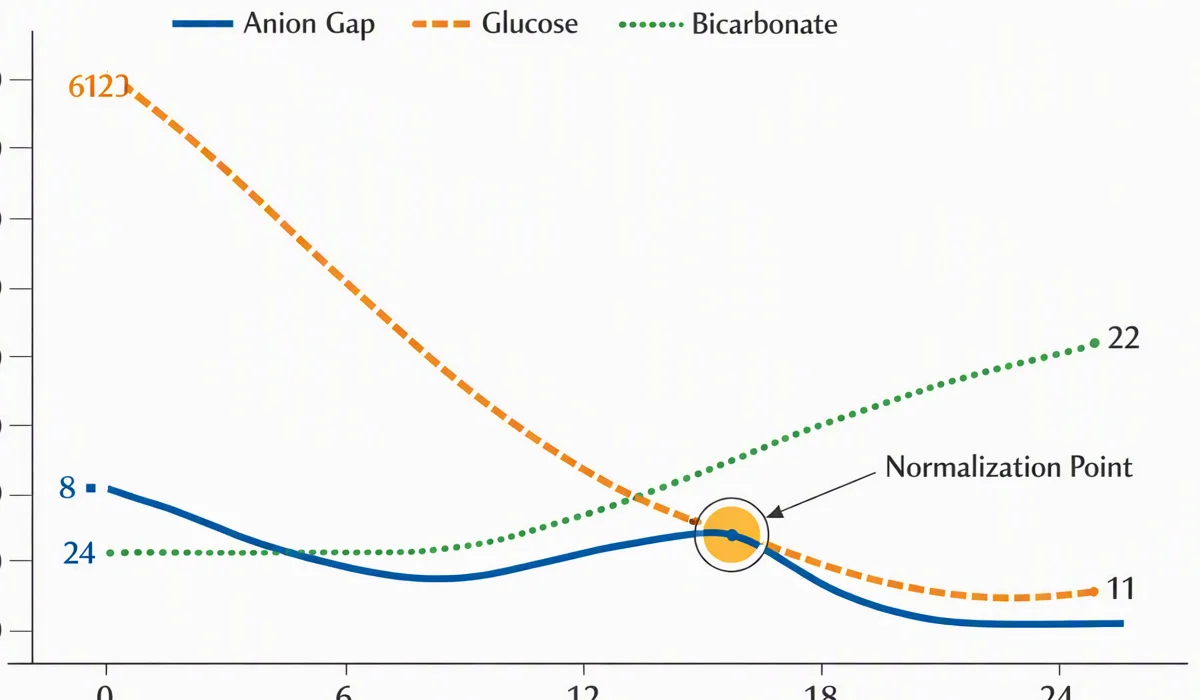
How an anion gap calculator is used
An Anion Gap Calculator is a fast way to determine anion gap from routine serum electrolytes. It usually takes serum sodium, serum chloride, and serum bicarbonate from an electrolyte panel. These values are part of standard blood chemistry testing and are often the initial step in evaluating acid-base problems.
The basic anion gap equation is:
Anion gap = serum sodium - (serum chloride + serum bicarbonate)
This calculation provides a snapshot of unmeasured ions in the blood. A high value may point to extra acids, while a normal value can suggest a different pattern of bicarbonate loss. Because it is built from common laboratory values, the calculator is often used early in confirmatory testing when clinicians need to interpret lab results quickly.
Once the anion gap is known, the calculator can aid more advanced reasoning. If the gap is elevated, the next question is whether the bicarbonate drop is proportional to the increase in gap. That is where the delta delta ratio, sometimes discussed with the related delta gap, becomes useful. It adds context to the initial screening result and helps guide severity assessment.
Many clinicians use an Anion Gap Calculator as a bedside decision aid, but the output is only one piece of the picture. The numbers must be interpreted alongside the patient’s symptoms, history, and the broader clinical assessment. The calculator helps identify a pattern, but the final interpretation depends on the full context.
Delta gap, delta ratio concept, and interpretation with correction
The concepts delta gap and delta ratio are commonly used together, and both refer to the link between the rise in anion gap and the drop in bicarbonate. The corrected anion gap is another important concept because the raw gap can be inaccurate if albumin correction is not considered. Albumin is a important unmeasured anion, so low albumin can make the gap look falsely normal or more normal than it really is.
Corrected interpretation begins with the idea that the gap should be compared with a reference baseline. Then the change in gap is compared with the change in bicarbonate to estimate the expected bicarbonate. If the bicarbonate is below than expected, there may be an extra non-anion gap process. If it is above than expected, a concurrent alkalosis may be present.
This is why the delta ratio is so useful in detecting a mixed acid-base disorder. A raised gap alone does not prove there is only one process. For example, a patient can have lactic acidosis plus vomiting-related metabolic alkalosis, or ketoacidosis plus diarrhea-related bicarbonate loss. The corrected interpretation helps uncover that combination.
The delta ratio is best thought of as a comparison tool: it asks whether the change in anion gap and the change in bicarbonate are shifting in tandem in the way a single disorder would predict.
In other words, the ratio supports a more accurate acid-base interpretation. It helps clinicians move from “the gap is high” to “what kind of process is actually happening?” That shift is important when working through complex serum electrolytes patterns.
Detailed delta delta ratio calculation
To calculate the delta delta ratio, start by identifying the reference anion gap and the observed anion gap. Then contrast the rise in the gap to the decrease in bicarbonate. This provides an estimate of whether the bicarbonate deficit is proportional to the acid burden.
Here is the basic formula for calculation commonly used:
- Delta anion gap = measured anion gap - normal anion gap
- Delta bicarbonate = normal bicarbonate - measured bicarbonate
- Delta delta ratio = delta anion gap ÷ delta bicarbonate
For example, if the normal anion gap is 12 and the measured anion gap is 24, the delta anion gap is 12. If normal bicarbonate is 24 and measured bicarbonate is 14, the delta bicarbonate is 10. The delta delta ratio is 12 divided by 10, or 1.2.
That ratio shows the increase in gap is approximately matched by the decline in bicarbonate, which is consistent with isolated high-gap acidosis. If the ratio is far outside the expected range, the result may point to an additional process. This is the practical value of the calculation: it turns raw laboratory values into a actionable pattern for acid-base status assessment.
When using an Anion Gap Calculator, many clinicians first verify the serum sodium, serum chloride, and serum bicarbonate values, then use the delta ratio after the anion gap is known. The method is easy, but it can produce a major difference in recognizing a second disorder that would otherwise be missed.
How to understand common delta delta ratio ranges
Understanding the delta delta ratio depends on the trend of change. Different reading ranges indicate different acid-base patterns, especially when evaluating high anion gap metabolic acidosis. While exact cutoffs can vary by source and context, a simple framework is often used.
- Ratio below 1: indicates the bicarbonate has fallen more than expected, which can point to concurrent non-anion gap metabolic acidosis.
- Ratio around 1 to 2: generally consistent with a primary high-gap acidosis lacking a major second disorder.
- Ratio above 2: indicates the anion gap has increased more than the bicarbonate has fallen, which can suggest concurrent metabolic alkalosis or a mixed process.
These ranges are not fixed diagnoses. They are most used as a tool to further workup. A low ratio may mean the patient has both a high-gap acidosis and a separate process causing bicarbonate loss, such as diarrhea or renal tubular issues. A high ratio may indicate vomiting, diuretic effect, or another alkalinizing process masking the full extent of the acidosis.
In real-world care, the ratio should aid—not replace—overall acid-base interpretation. It works well when paired with the anion gap, pH, respiratory compensation, and the clinical story. A single number can be helpful, but it should never be viewed in isolation from the rest of the laboratory values.

Clinical situations in which the ratio is most important
The delta delta ratio is especially useful when a patient presents with an elevated anion gap and clinicians need to know whether the pattern is pure or mixed. This matters especially in lactic acidosis, ketoacidosis, renal failure, and toxin ingestion.
In lactic acidosis, lactate accumulation can cause a significant elevation in the anion gap. If the bicarbonate drops less than expected, a concurrent metabolic alkalosis may be present. If it drops more than expected, another acid-losing process may be added. The ratio helps clarify that overlap.
In ketoacidosis, especially diabetic ketoacidosis, the delta ratio can highlight whether vomiting has produced a simultaneous alkalosis or whether a second acidosis is contributing. Because vomiting and volume depletion can change chloride concentration and bicarbonate level, the overall pattern may be more complicated than the primary diagnosis suggests.
In renal failure, retained acids may raise the gap, but kidney dysfunction can also alter bicarbonate handling and compensation. The ratio can help identify whether there is an additional non-gap component. That can affect treatment choices and the urgency of further workup.
Toxin ingestion can also produce unusual mixed patterns. Some toxic exposures raise the gap while other processes simultaneously alter the bicarbonate deficit. In such cases, the delta delta ratio is a valuable diagnostic clue that the chemistry profile is not fully explained by a single mechanism.
Across these cases, the ratio contributes to clearer clinical assessment and better recognition of overlap disorder. It helps the clinician decide whether the blood chemistry fits one problem or several.
Common pitfalls and drawbacks
Even though it is useful, the delta delta ratio has significant drawbacks. One common mistake is ignoring albumin correction. As albumin impacts the anion gap, a patient with low albumin may have a deceptively normal gap unless the correction is applied. This may cause underestimating a true acid-base problem.
Another concern is lab variation. Small differences in laboratory values can change the calculated ratio enough to shift the interpretation. As the result depends on serum sodium, serum chloride, and serum bicarbonate, even modest measurement differences can affect the outcome.
There are also delta ratio limitations related to assumptions built into the calculation. The method assumes a typical baseline anion gap and a predictable relationship between acid addition and bicarbonate loss. Real patients do not always follow that pattern, especially when multiple conditions are present or when compensation changes rapidly.
Therefore, the ratio should never be used alone. It is a tool for acid-base interpretation, not a final answer. Clinical context, trend review, and confirmatory testing remain essential. If the numbers and the presentation do not match, the discrepancy itself is important and should prompt reassessment of the diagnosis.
In summary, the delta delta ratio is most reliable when used as part of a broader approach to interpret lab results. It can uncover a mixed picture, but it cannot replace judgment or the full clinical assessment.
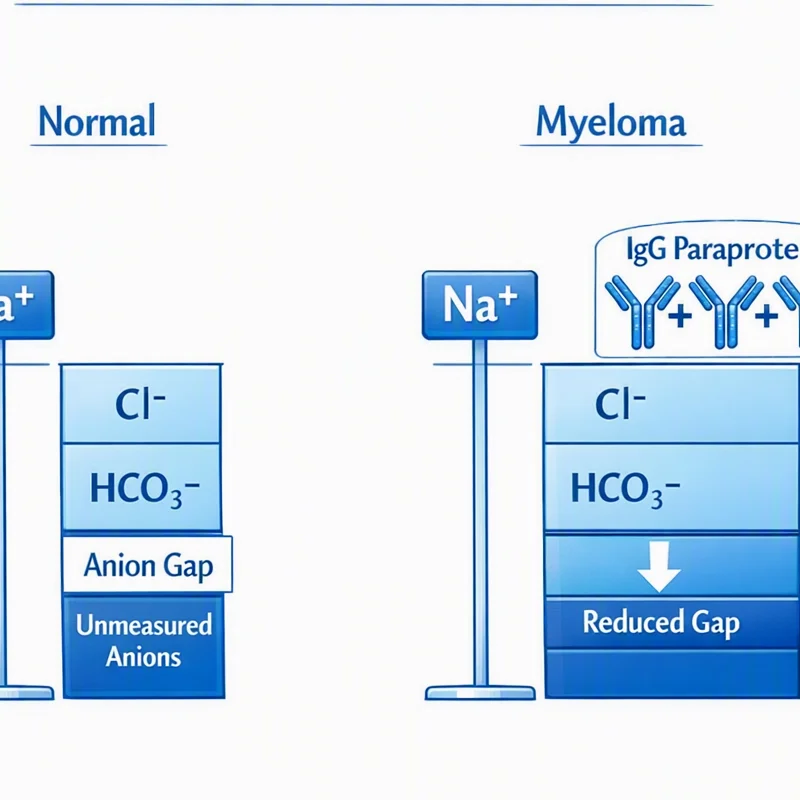
FAQ: delta delta ratio and anion gap calculator
How is the delta delta ratio in simple terms?
The delta delta ratio compares the rise in anion gap to the fall in bicarbonate during metabolic acidosis. It helps show whether the pattern fits a single acid-base disorder or suggests a mixed acid-base disorder. In simple terms, it checks whether the change in the anion gap and the bicarbonate deficit are proportionate.
How do you compute the delta delta ratio from an anion gap?
Initially calculate anion gap using serum sodium, serum chloride, and serum bicarbonate. Then subtract the normal anion gap from the measured anion gap to get the delta gap. Then subtract the measured bicarbonate from the normal bicarbonate to get the bicarbonate deficit. Divide the delta gap by the bicarbonate deficit to get the delta delta ratio.
What does a delta delta ratio above 2 mean?
A delta delta ratio above 2 often indicates the anion gap has increased more than expected relative to the bicarbonate drop. This can point to a concurrent metabolic alkalosis or another mixed acid-base disorder. The result should be interpreted with the rest of the blood chemistry and the clinical picture.
What does a delta delta ratio below 1 mean?
A ratio below 1 usually means the bicarbonate has fallen more than expected for the size of the gap increase. This pattern can suggest a concurrent non-anion gap metabolic acidosis. It may be seen when a high anion gap process is combined with bicarbonate loss from another source.
When should the delta delta ratio be used to look for mixed acid-base disorders?
Use the delta delta ratio when there is high anion gap metabolic acidosis and the laboratory pattern seems https://anion-gap-tracker398.urbanvellum.com/posts/anion-gap-calculator-for-assessing-normal-anion-gap-acidosis incomplete or inconsistent. It is especially useful in lactic acidosis, ketoacidosis, renal failure, and toxin ingestion. In those settings, the ratio helps identify mixed disorders that may change diagnosis and treatment decisions.